How Often Should You Paint Your House? Interior and Exterior Guide
A fresh coat of paint does more than improve a home’s appearance; it helps protect surfaces from moisture, wear, and everyday damage. Homeowners wondering how often they should paint their house will find that interior and exterior surfaces follow different schedules. Paint quality, household activity, weather exposure, and surface preparation all influence how long a finish lasts. Understanding these factors helps homeowners plan painting projects before minor problems become expensive repairs.
How Often to Repaint
Most interior walls can go five to ten years between painting projects, although frequently used spaces may need attention sooner. A hallway covered in scuff marks after four years, for example, might require repainting while an adjoining guest bedroom still looks nearly untouched. BEHR PRO explains that “Deciding how often to repaint isn’t an exact science.” Homeowners should examine the condition of their walls rather than depend entirely on the date of the previous application.
- Interior walls generally last 5–10 years before repainting becomes necessary.
- High-traffic spaces may need attention every 3–5 years.
- Annual inspections help identify deterioration before it spreads.
- Proper preparation can extend the service life of a painted surface.
Bedroom Painting Schedules
Adult bedrooms commonly retain their finishes for seven to ten years because walls experience relatively limited contact. Children’s bedrooms may require painting after three to five years, especially when toys, artwork, and furniture leave marks. Homeowners should also consider whether previous touch-ups match the surrounding surface, since even identical paint colors can appear different when sheen or aging varies.
- Examine corners near beds and dressers for chipped paint.
- Check children’s rooms for scratches and stubborn markings.
- Keep leftover paint labeled for future maintenance.
Living Room Painting Frequency
Living rooms and dining areas often maintain their appearance for five to seven years, sometimes longer when household activity remains moderate. Furniture rubbing against walls, sunlight entering windows, and repeated contact near switches gradually affect the finish. Benjamin Moore explains that washable interior coatings can withstand everyday scuffs and stains, making product selection particularly helpful in shared spaces.
- Check walls behind sofas and chairs for abrasion.
- Inspect sun-facing surfaces for uneven color changes.
- Clean fingerprints before deciding whether repainting is needed.
- Compare touch-up areas under natural and artificial lighting.
Kitchen and Bathroom Painting
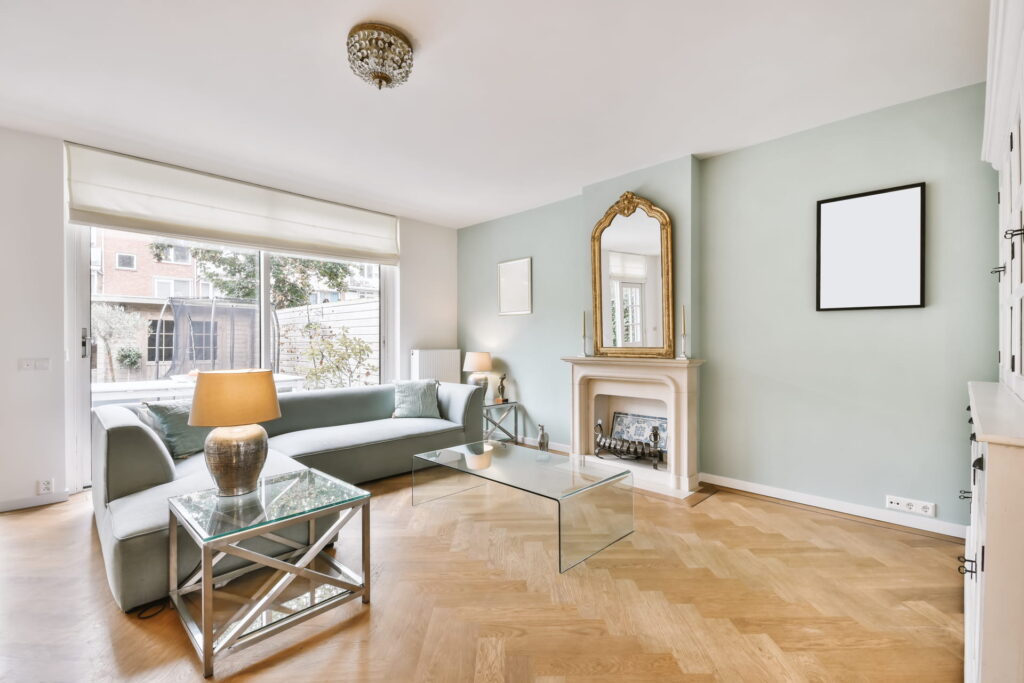
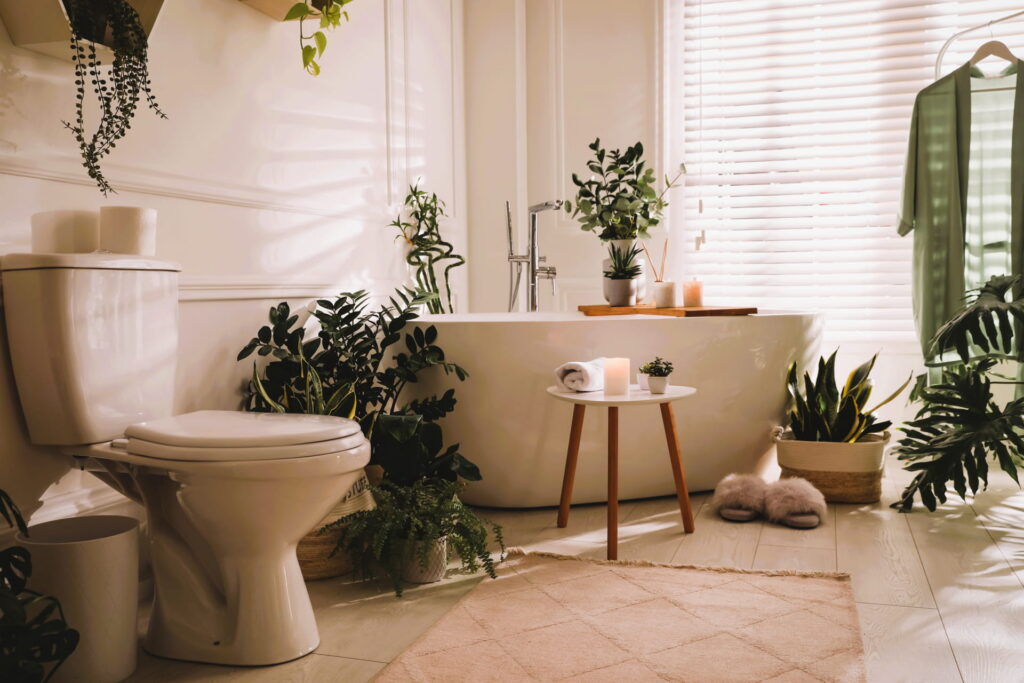
Kitchens and bathrooms often need repainting every three to five years because steam, grease, condensation, and cleaning place extra demands on their surfaces. Moisture management matters just as much as the coating itself, and the Environmental Protection Agency recommends keeping indoor relative humidity below 60%, ideally between 30% and 50%. Paint should never conceal an unresolved water problem because trapped moisture can lead to bubbling, peeling, and mold growth. Adequate ventilation and suitable finishes help these rooms remain presentable between projects.
- Use exhaust fans during cooking and showering.
- Choose coatings rated for moisture-prone rooms.
- Remove grease deposits before applying fresh paint.
- Investigate recurring condensation near ceilings.
- Repair plumbing leaks before painting damaged surfaces.
Exterior House Painting Frequency
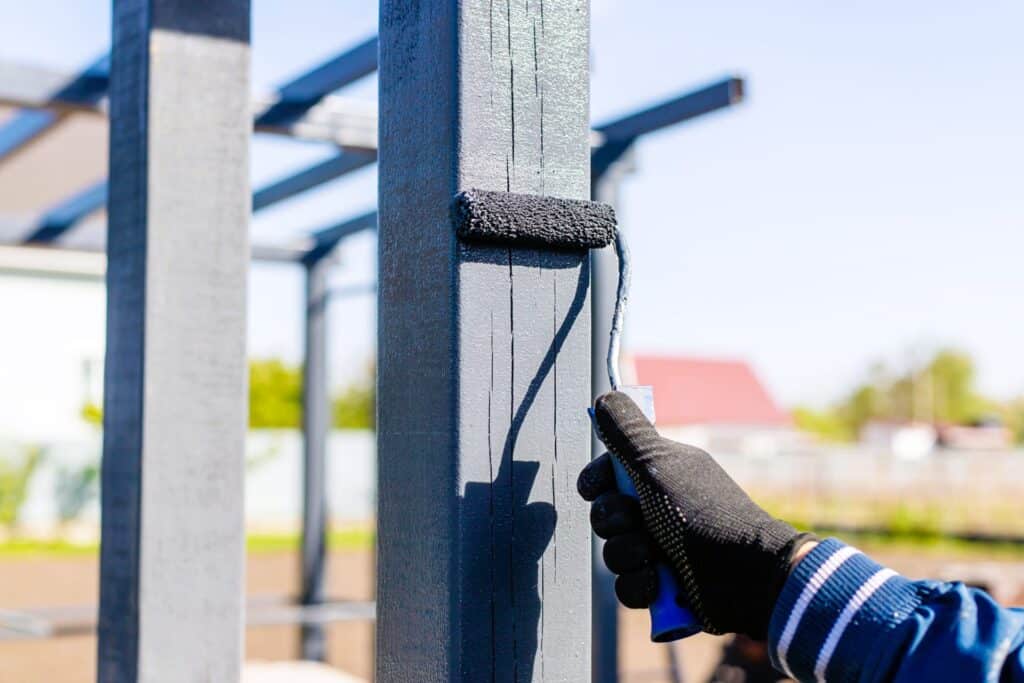
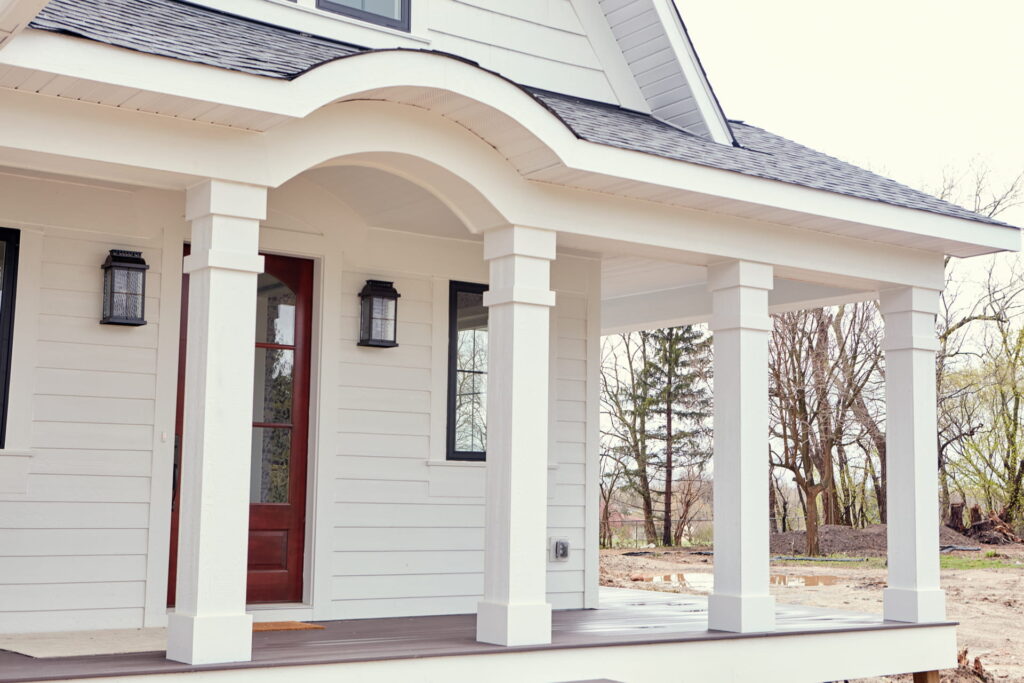
Exterior painting usually follows a different timetable because siding faces sunlight, rainfall, wind, and temperature changes throughout the year. Sherwin-Williams estimates that exterior paint can last seven to ten years, depending on climate, material, and product quality. Homes exposed to severe weather or persistent dampness may require attention earlier, particularly where protective coatings have begun separating from the substrate. Regular inspections help homeowners recognize problems before exposed surfaces deteriorate.
- Inspect siding at least once annually.
- Examine areas beneath gutters for moisture damage.
- Check window trim and fascia for deteriorating finishes.
- Evaluate the condition of shaded walls separately from sun-exposed sections.
Exterior Siding Painting Schedules
Different siding materials require individual maintenance approaches, so one repainting interval cannot apply to every house. Wood absorbs moisture when its protective coating fails, while fiber cement, stucco, aluminum, and masonry have different preparation and adhesion requirements. Professional painting assessments should account for the substrate, previous coating, exposure, and manufacturer’s instructions rather than relying on material type alone.
- Wood siding requires attention when bare grain or peeling appears.
- Fiber cement should be inspected for failed caulking and coating wear.
- Stucco cracks need evaluation before repainting.
- Aluminum siding may develop chalking or adhesion problems.
- Painted brick requires checking for trapped moisture and flaking.
Louisiana Weather and Painting
Louisiana’s humidity and frequent rainfall can make exterior paint maintenance more demanding, especially where moisture remains against siding. The National Weather Service documents elevated humidity throughout the year in Louisiana, a condition that homeowners should account for when planning outdoor projects. Benjamin Moore advises avoiding excessive humidity, rainfall, and unsuitable temperatures during exterior painting because these conditions can interfere with drying and film formation. Proper scheduling matters, but thoroughly dry surfaces and compatible products are equally necessary.
- Schedule projects around forecasts rather than seasons alone.
- Allow washed siding enough time to dry.
- Monitor shaded areas where dampness may linger.
- Follow the paint manufacturer’s temperature and humidity limits.
Signs Your House Needs Repainting
Visible deterioration often provides a more dependable warning than the age of a paint job. Peeling, blistering, cracking, and chalking can indicate adhesion problems, while fading or stubborn discoloration may be primarily cosmetic. The EPA warns against painting moldy surfaces, explaining that unresolved contamination and moisture can cause the coating to peel. Homeowners should determine the source of damage before covering it with fresh paint.
- Peeling exposes areas that may become vulnerable to moisture.
- Blistering can suggest trapped water or application problems.
- Chalking leaves powdery residue when the coating breaks down.
- Cracked finishes may indicate movement or aging.
- Persistent staining deserves investigation before repainting.
What Shortens Paint Lifespan
Premature paint failure frequently begins with poor surface preparation rather than the coating’s age. Dirt, loose material, residual moisture, and incompatible products can interfere with adhesion, allowing sections to peel long before their expected replacement date. Benjamin Moore identifies excessive heat, cold, and humidity as conditions that can contribute to blistering, wrinkling, and peeling. Skipping repairs may also leave structural or moisture-related problems hidden underneath the finish.
- Dirty surfaces prevent consistent paint adhesion.
- Missing primer can cause problems on certain substrates.
- Painting damp materials increases failure risks.
- Incorrect application thickness may affect drying.
Ways to Extend Paint Life
Thoughtful maintenance can delay the need for another painting project and preserve the condition of household surfaces. Homeowners should clean accumulated grime with methods appropriate for the finish, repair leaks promptly, and inspect vulnerable joints around windows and doors. The EPA recommends drying water-damaged materials within 24–48 hours to help prevent mold growth. Small repairs completed at the right time may prevent widespread coating failure, although peeling across an entire surface generally requires more than touch-ups.
- Wash painted walls with nonabrasive cleaning methods.
- Maintain gutters to limit water exposure.
- Replace deteriorated caulking where appropriate.
- Address roof or plumbing leaks without delay.
- Document product names and application dates.
When to Hire Painters
Professional painting becomes particularly useful when large surfaces require preparation, repairs, specialized equipment, or difficult access. Contractors can assess peeling coatings, identify suitable primers, and determine whether damaged materials need replacement before work begins. Homes built before 1978 deserve special precautions because the EPA’s Renovation, Repair and Painting Rule generally requires paid contractors disturbing painted surfaces in covered homes to hold lead-safe certification and follow prescribed practices. Choosing the appropriate repair method helps protect both the occupants and the finished surfaces.
- Seek professional assessment for widespread coating failure.
- Verify lead-safe certification when applicable.
- Review proposed surface repairs and preparation methods.
- Confirm the products are suitable for each substrate.
Planning Your Next Repaint
Homeowners benefit most from treating painting as ongoing property maintenance rather than waiting for every surface to look worn. A room with minor scuffs may need cleaning, while exposed siding or water-damaged drywall requires investigation before another coat is applied. Interior schedules should reflect household activity, and exterior decisions should account for weather, material condition, and previous workmanship. An annual inspection paired with prompt repairs gives homeowners a practical way to determine when repainting is necessary and when existing finishes can remain in service.
- Maintain separate records for indoor and outdoor projects.
- Prioritize failing surfaces over cosmetic changes.
- Inspect moisture-prone areas after heavy storms.
- Plan repairs before choosing the next paint product.
House Painting Key Takeaways
House painting schedules vary because every surface experiences different conditions. Product quality, proper preparation, maintenance, and exposure all influence durability, making visible wear a stronger indicator than age alone. Homeowners who inspect their property routinely can identify trouble earlier and make better decisions about repairs or repainting.
- Interior walls commonly need repainting every 5–10 years.
- Busy rooms may need refreshing after 3–5 years.
- Exterior coatings often last approximately 7–10 years.
- Louisiana humidity makes moisture management especially relevant.
- Surface preparation and timely maintenance help extend paint life.
Frequently Asked Painting Questions
How often should a house be painted?
Interior walls generally need painting every five to ten years, while exterior surfaces commonly follow a seven-to-ten-year schedule. Actual timing depends on exposure, wear, and coating condition.
Which rooms need repainting most often?
Kitchens, bathrooms, hallways, and children’s bedrooms usually experience the greatest wear. These spaces may require repainting every three to five years.
Can exterior paint last 15 years?
Some coatings may remain serviceable for 15 years under favorable conditions, but that lifespan should not be assumed. Routine inspections help determine whether protective performance remains adequate.
Does repainting prevent water damage?
A sound coating helps protect appropriate surfaces from weather exposure, but paint cannot repair leaks or stop moisture entering through damaged construction materials. Underlying problems must be corrected first.
Should ceilings follow wall repainting schedules?
Ceilings often need repainting less frequently because they receive limited physical contact. Water stains, smoke residue, discoloration, or peeling may justify earlier attention.
via Ponderosa Painting ponderosapainting.net/how-o...
