What is Commercial Painting?
Painting a business space isn’t just about slapping on a fresh coat and calling it a day. What commercial painting does is far more strategic, it protects, preserves, and presents a professional image. Business owners often find themselves needing more than just coverage on walls; they need a finish that reflects their brand and endures daily wear. A deeper look at what commercial painting involves can help companies make smarter choices.
- Applies to retail spaces, offices, warehouses, and more
- Uses materials suited for high-traffic and industrial environments
- Delivers both functional protection and visual polish
What Commercial Painting Means
A team walks into a multi-story office complex, preps everything from concrete surfaces to drywall, then applies industrial-grade coatings that resist grime and fading for years. That’s commercial painting in action. This type of work isn’t focused on individual homes but on properties where longevity and brand presence matter. Painters in this field must juggle durability, scheduling needs, and safety compliance all at once.
- Typically performed in large-scale or customer-facing spaces
- Requires more equipment and labor than residential projects
- Often follows OSHA guidelines and local code enforcement
Types of Commercial Painting Projects
Every industry calls for its own approach. A healthcare clinic needs bacteria-resistant coatings, while a restaurant may prioritize cleanable surfaces that meet health inspection standards. Schools, retail shops, warehouses, each one presents a unique challenge. From industrial zones to upscale hotels, painters must know how to adjust their methods.
- Retail stores focus on visual appeal and foot traffic durability
- Factories often demand fire-resistant or chemical-tolerant paints
- Office buildings prioritize aesthetics and brand alignment
Benefits of Commercial Painting
A freshly painted building doesn’t just look better, it can actually make people feel better. Customers are more likely to trust a clean, well-maintained exterior, and employees tend to feel more motivated in a tidy workspace. Commercial painting helps reinforce professionalism, protect assets, and reduce long-term repair costs.
- Boosts curb appeal and visitor confidence
- Reduces moisture and UV damage to building materials
- Extends surface life and reduces need for constant touch-ups
How Commercial Painting Works
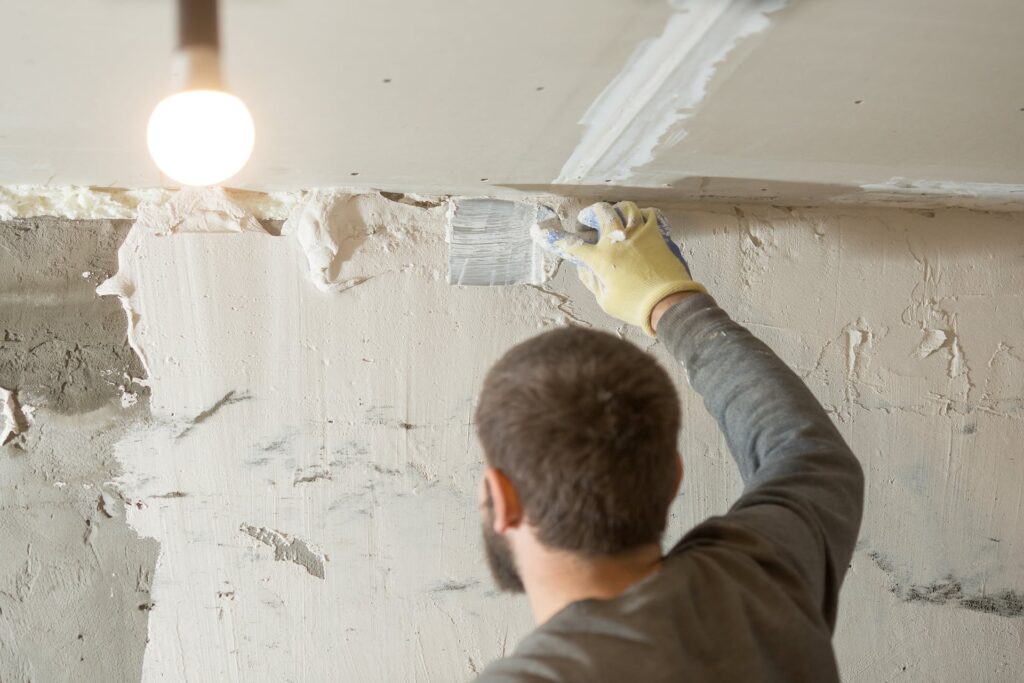
Getting started usually means walking the property, identifying surface issues, and offering a timeline that works around the business’s schedule. Once materials are chosen, the crew handles prep, which might include power washing, sanding, or patching. Paint is applied in phases, often after hours, to avoid disrupting daily operations.
- Involves detailed assessment and project planning
- Requires thorough surface preparation for adhesion and longevity
- Includes multiple stages from priming to topcoating
Commercial Painting vs Residential Painting
The difference goes well beyond square footage. Commercial jobs demand advanced tools like sprayers, scaffolding, and lifts. There’s often coordination with property managers, tenant schedules, and legal standards that don’t apply to houses. Mistakes in a commercial setting can cause safety risks or brand damage, so it’s a much higher-stakes game.
- Commercial jobs often need specialized coatings and tools
- Must comply with state and federal regulations for public safety
- Scheduling and access are more complex than home painting
How to Choose a Commercial Painter
Hiring the lowest bidder without checking qualifications can backfire fast. Business managers should verify licenses, insurance, and references. A solid painter will offer insight on coatings, understand time-sensitive scheduling, and walk through warranty options without hesitation. Experience in similar buildings is a big green flag.
- Ask for proof of commercial insurance and safety training
- Review portfolios and case studies of past work
- Get a detailed, itemized estimate—not just a flat rate
Costs of Commercial Painting Projects
Paint pricing is only a small part of the bill. Labor, prep work, accessibility issues, and required finishes all affect the final number. Interior walls are often cheaper than exteriors, and textured or damaged surfaces can push costs up. Large buildings or tight timelines increase the quote, especially if special equipment is involved.
- Expect to pay more for high ceilings, hard-to-reach areas, or rush jobs
- Prep work often takes longer than painting itself
- National average ranges from $2 to $6 per square foot (U.S. Bureau of Labor Statistics)
When to Schedule Commercial Painting
Businesses often wait until signs of peeling or fading appear, but planning ahead prevents disruption. Spring and fall tend to offer ideal weather for exterior projects, while interiors can be done during off-hours or slow seasons. Coordinating with a professional early allows for better flexibility in timing and crew availability.
- Off-peak seasons usually allow more scheduling options
- Overnight or weekend work avoids customer inconvenience
- Seasonal temperature and humidity matter for curing times
Maintaining Commercial Paint Jobs
Once the job is complete, the work isn’t over. Regular inspections can catch early signs of wear, especially in high-contact zones like hallways or reception areas. Gentle cleaning, touch-ups, and knowing when to recoat will keep surfaces looking sharp. Neglecting maintenance can shorten the life of even the best materials.
- Schedule touch-ups every 2–3 years, depending on wear
- Wash walls annually to reduce grime buildup
- Log dates of service to stay ahead of repaint timelines

Key Takeaways on What is Commercial Painting
Commercial painting carries weight beyond color, it influences perception, preserves property, and supports safety. From prepping massive walls to applying coatings that meet code requirements, the scope of this work goes well beyond surface-level. Understanding how different spaces need different finishes, how to plan around business hours, and how to spot a qualified contractor helps any manager make a smart decision. Painting for business spaces requires a mix of technical knowledge and long-term thinking, and skipping corners never works out.
- Commercial painting is more than appearance, it’s protection and planning
- Hiring experienced contractors reduces future repair costs
- Routine care extends the life of every paint job
Frequently Asked Questions About Commercial Painting
-
How often should a commercial building be painted?
Most interior walls need repainting every 5 to 7 years, while exterior surfaces often need attention every 3 to 5 depending on climate and exposure. -
What types of paint are used in commercial buildings?
Commercial painters typically use acrylic latex for interiors and elastomeric or epoxy coatings for exteriors or high-wear areas. -
Can painting be done during business hours?
It depends on the scope and location. Many painters offer after-hours services to avoid interrupting customer or employee activity. -
Is commercial painting tax deductible?
According to IRS guidelines, painting for maintenance is typically deductible as a business expense. Always verify with a tax advisor. -
What certifications should a commercial painter have?
Look for EPA Lead-Safe Certification, OSHA safety training, and licenses relevant to your state or county’s requirements.
via Ponderosa Painting ponderosapainting.net/what-...
