How Indoor Lighting Alters Your Paint Color Choice
Color behaves differently depending on its surroundings. Light temperature, strength, and angle all shift the way a paint color looks once it’s on the wall. Homeowners often get surprised when that perfect shade of blue turns greenish in their living room. A knowledgeable painting company helps avoid that frustration by focusing on how indoor lighting alters color decisions in real residential settings.
Understanding Light and Paint Choices in Homes
Seasoned painters have seen every kind of lighting situation, from dim hallways to bright sunrooms. One homeowner selected a cool off-white for their dining room, only to find it looked almost pink at night. The painting company anticipated the issue, having worked in dozens of similar spaces, and recommended a second round of testing. That small change saved time and avoided repainting an entire room.
- Bright, indirect sunlight keeps paint colors looking closer to true
- Directional light from small windows can intensify undertones
- Experience helps identify where lighting and color combinations clash
Natural Sunlight and Color Shifts
Natural light has the biggest influence on how color appears during the day. Early morning light adds cool, bluish tones, while late afternoon light leans orange. These variations affect the overall impression of any painted room. A professional painting company takes this into account and tests samples throughout the day, not just under one condition.
- East-facing rooms look brightest in the morning with cooler undertones
- Rooms with filtered sunlight may cause muted colors to appear dull
- Strong afternoon light intensifies warm paint hues like reds or yellows
Artificial Lighting Can Distort Color
Artificial light sources create an entirely different challenge. Depending on the type of bulb, paint may take on an unintended cast—something barely noticeable during the day becomes obvious at night. A reliable painting company will always ask what type of lighting is installed in a room before recommending a color scheme. That level of preparation prevents surprises once the project is finished.
- Halogen bulbs closely mimic daylight but still create slight warmth
- LED lighting varies greatly in temperature and may cool down warm colors
- Older incandescent bulbs create a yellow glow that alters white paints
Paint Appearance by Room Type
Each room has a different lighting profile and use pattern, and paint choices should reflect that. A laundry room with a single bulb overhead needs a different approach than a living room with floor-to-ceiling windows. Painting companies with hands-on knowledge of lighting dynamics tailor their color recommendations by room, not just by personal taste.
- Living areas with layered lighting require balanced paint undertones
- Bathrooms with vanity lighting may show unexpected reflections
- Hallways often appear darker, so brighter tones work better than deep shades
Real Paint Samples in Real Lighting
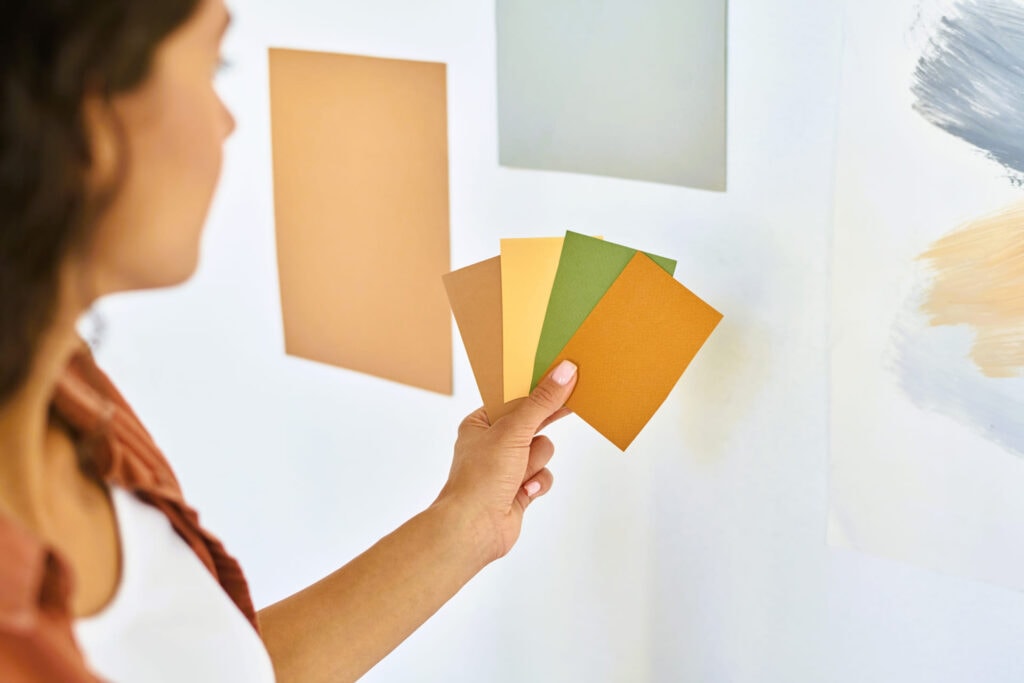
Paint chips from the hardware store are too small and too polished to be reliable. They rarely show how a color performs on textured walls or under varied lighting. A painting company will use large, flat samples and apply them in multiple spots to test how the color shifts. Testing across different times of day reveals far more than a tiny swatch ever could.
- Test samples near natural light sources and artificial fixtures
- Move sample boards between shaded and brightly lit walls
- Use both matte and eggshell finishes to understand texture impacts
Lighting-Driven Paint Mistakes to Avoid
Misjudging how paint behaves under certain lights can lead to disappointing results. Some rooms end up looking completely different from what was planned, especially when lighting conditions are ignored. A dependable painting company helps prevent these mistakes by thoroughly assessing each room’s environment before color selection begins.
- Choosing paint from online images without testing leads to mismatches
- Ignoring lamp placement and window coverage can cause tone imbalances
- Using the same color across different rooms can fail under varied lighting
Professional Guidance from a Painting Company
Identifying how different types of light affect color requires experience and attention to detail. A painting company brings both, along with practical tools and knowledge gained from working in hundreds of homes. They ask the right questions, look at light fixtures, and take into account factors the average person might miss completely.
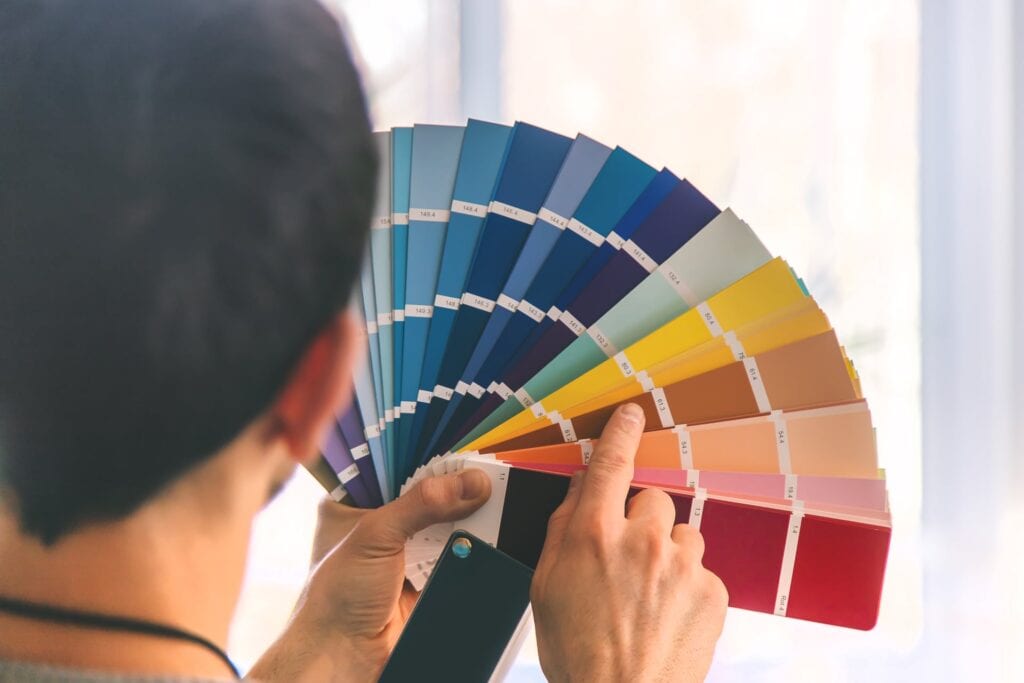
- They use tools like color viewers and sample boards in multiple finishes
- They evaluate lightbulb types, fixture placement, and room layout
- They help select paints that maintain visual consistency day and night
Key Takeaways on Indoor Lighting and Residential Painting
Lighting determines how people perceive color far more than most expect. What works in daylight may turn dull, muddy, or overly intense once the sun sets. Choosing colors without considering how lighting changes is one of the fastest ways to regret a paint job. Working with a painting company that pays close attention to light conditions makes a noticeable difference in the final outcome.
- Light quality and direction impact every color choice in a painted home
- Artificial lighting often shifts undertones in surprising ways
- Room function should guide both lighting and color decisions
- Sample testing under real conditions reveals how paint will behave long term
- Professional guidance ensures your color looks great morning, noon, and night
Frequently Asked Questions
Why does my bedroom wall look blue in the morning and gray at night?
Morning light often brings out cooler tones in paint, while evening lighting—especially warm bulbs—can mute or shift those hues toward gray or beige.
Are LED lights better for maintaining color accuracy?
LEDs are more stable than older bulbs, but their color temperature varies. Cooler LEDs may make warm colors appear too sterile, so choosing the right temperature is key.
What’s the best way to test paint colors in a dark hallway?
Use a large sample board with both matte and eggshell finishes. Place it along different walls and observe under the hallway’s existing lighting at different times of day.
Do wall textures affect how light changes paint color?
Yes, textured surfaces can reflect light unevenly, especially in gloss finishes. Rougher textures scatter light, which may deepen shadows or distort color.
Can changing lightbulbs fix a bad paint choice?
Sometimes. Adjusting bulb type and wattage can shift how a color appears, but it may not completely resolve a mismatch. In some cases, repainting is the better option.
via Ponderosa Painting ponderosapainting.net/how-i...
