What is Residential Painting?
A freshly painted home can make a bigger difference than most people expect. From the moment someone walks through the door, the color on the walls sends a message—whether it’s calm, cozy, clean, or chaotic. Residential painting shapes how a space feels and holds up against time and weather. Understanding what residential painting involves helps homeowners plan smarter improvements.
- Covers both interior and exterior painting for personal residences
- Focuses on style, comfort, and surface protection
- Usually includes prep work, priming, and final detailing
What Residential Painting Includes
One couple decided to refresh their aging home before listing it. The painter started with ceilings, repaired a few cracks, primed water-damaged corners, and finished with soft neutrals that brightened every room. That’s a residential paint project done right. These jobs are built around enhancing living spaces while improving longevity and overall condition.
- Usually involves single-family homes, apartments, or condos
- Often includes drywall repair, pressure washing, and caulking
- Paint types vary based on the room’s function and exposure
Types of Residential Painting Jobs
Each home brings its own set of needs. One family might want to repaint a nursery in gentle pastels while another looks to update outdated brick with breathable masonry paint. Some projects are simple, others complex, but they all share one thing—attention to detail. A paint job can be as minor as one accent wall or as involved as full-house exterior restoration.
- Interior repainting, including walls, ceilings, and baseboards
- Exterior services for siding, trim, doors, and porches
- Cabinet refinishing, fence staining, or deck coating
Benefits of Residential Painting
Paint helps more than just looks. It protects surfaces from moisture and mold, helps seal small gaps that pests love to find, and can even influence how large or small a room feels. Homeowners who stay on top of painting cycles tend to spend less on major repairs down the road.
- Boosts resale value and increases buyer appeal
- Helps control allergens and prevent mildew buildup
- Reduces deterioration from UV exposure or weather
Residential Painting Process Steps
It always starts with a conversation. Then there’s cleaning, patching, sanding, and priming before paint even hits the wall. Some surfaces require extra prep, especially if there’s peeling or previous water damage. Dry times matter, too—especially in high-humidity areas or tight spaces.
- Assessment of surfaces, color choices, and needed repairs
- Surface prep including patching, sanding, or pressure washing
- Application using brushes, rollers, or sprayers as needed
Interior Residential Painting Projects
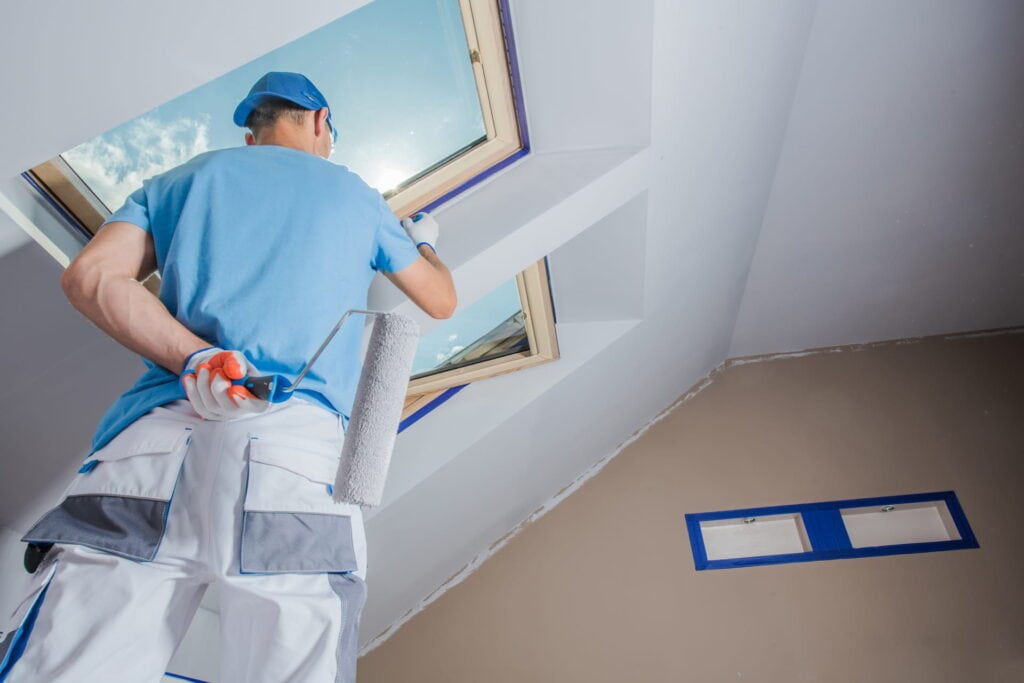
Living rooms, kitchens, bedrooms—they all wear paint differently. Hallways and stairwells often need stronger finishes to hold up to scuffs, while bathrooms need moisture-resistant paint that doesn’t peel under steam. Choosing finishes like satin, semi-gloss, or eggshell affects both appearance and durability.
- Flat paint is ideal for ceilings and low-traffic walls
- Semi-gloss and gloss resist moisture and clean more easily
- Accent walls and two-tone trims add visual interest
Exterior Residential Painting Needs
Weather beats down on homes day after day, and paint is often the first line of defense. Older homes may need sanding or scraping before any new paint sticks properly. Paint that’s not suited to the material—whether wood, brick, or stucco—won’t last long. Surface prep makes or breaks these projects.
- Exteriors need breathable paint to prevent trapped moisture
- Lead testing may be required in homes built before 1978 (EPA.gov)
- Dry, mild weather is ideal for exterior painting schedules
DIY vs Professional Painting
Some people enjoy tackling paint projects on their own. Others realize midway through taping off trim that they’re in over their heads. A homeowner may be able to manage one room on a weekend, but larger projects call for more tools, more skill, and more time than expected.
- DIY can save money but takes more time and effort
- Professionals often use commercial-grade tools and paints
- Paint warranties may depend on professional application
How to Hire a Residential Painter
Picking a painter based on a yard sign or flyer isn’t always the best route. Homeowners should ask detailed questions, verify licensing and insurance, and check online reviews. A clear written estimate should outline everything from prep to clean-up.
- Ask about past projects similar to your home type
- Verify state license and general liability coverage
- Ensure quotes include labor, materials, and timeframe
Cost of Residential Painting Services
Price depends on size, prep needs, and the type of paint selected. Homes with multiple stories or unique architecture may need lifts or extra manpower. Some companies charge by square footage while others quote by the job.
- Interior costs range from $1.50 to $4 per square foot (HomeAdvisor)
- Exterior costs typically range from $1.00 to $3 per square foot
- Paint quality and surface condition impact total budget
Maintaining Painted Home Surfaces
A good paint job lasts, but nothing lasts forever. Walls need occasional cleaning to keep them looking fresh, especially in kitchens or entryways. Exterior paint may need touch-ups after storms, or even full repainting every 5 to 10 years depending on the material.
- Wash walls with a soft cloth and mild soap once a year
- Trim shrubs back to prevent paint damage outdoors
- Inspect surfaces after winter or strong weather for peeling
Key Takeaways on Residential Painting Projects
Residential painting offers far more than color—it protects, refreshes, and reshapes how a home feels. Whether tackling a few rooms or updating the entire exterior, painting should be planned with care. Understanding the types of jobs, timing, costs, and materials gives homeowners a better shot at getting results that last. Skipping prep, rushing product choices, or ignoring maintenance always ends up costing more later. With the right approach, paint can improve comfort, prevent damage, and help create a space that feels like home.
- Residential painting is more than decoration—it supports long-term value
- Surface prep is just as important as paint type
- Hiring qualified painters reduces errors and adds longevity
Frequently Asked Questions About Residential Painting
-
How often should interior walls be painted?
Most homes benefit from repainting every 5 to 7 years, though high-traffic areas may need freshening sooner. -
What paint is best for bathrooms?
Use moisture-resistant paint with a satin or semi-gloss finish to prevent mold and peeling under humidity. -
Can I paint over wallpaper?
It’s possible but not recommended. Removing wallpaper and prepping the surface gives better, longer-lasting results. -
Do darker colors fade faster outside?
Yes. Dark paints absorb more heat and tend to show wear from sun exposure more quickly than lighter shades. -
What’s the best time of year to paint a house?
Late spring through early fall works best when the weather is dry and temperatures are steady between 50 and 85 degrees Fahrenheit.
via Ponderosa Painting ponderosapainting.net/what-...
